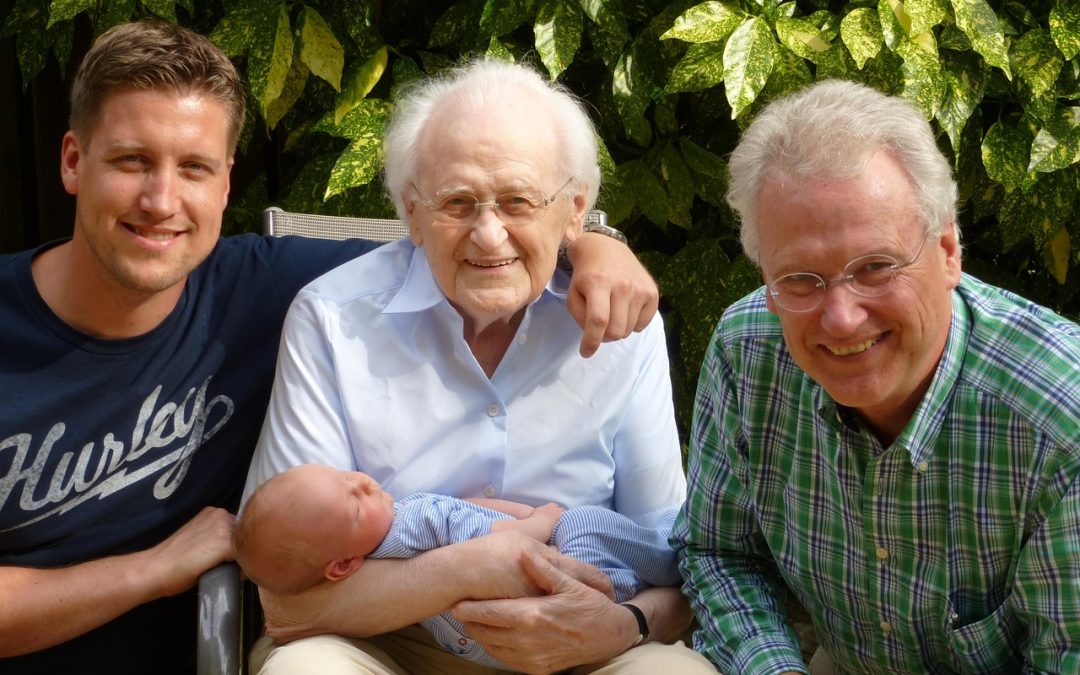
It’s been widely reported that the marriage rate among Americans has declined sharply in recent decades. According to the Census Bureau, 60.8% of households were headed by married couples in 1980. By 2024, that figure had fallen to 47.1%. Divorced, widowed, or never...
House members on the Education and Workforce Committee have introduced legislation aimed at making the annual filing of Form 5500 — the federal return employee benefit plan sponsors must submit to the Department of Labor, IRS and Pension Benefit Guaranty Corporation —...
New data suggests individuals’ decisions to take 401(k) loans are driven less by discretionary spending needs and more by day-to-day cash-flow constraints. A December 2025 study conducted by the Employee Benefit Research Institute (EBRI) and J.P. Morgan Asset...
Reported by Judy Faust Hartnett Many Americans remain concerned about the long-term cost of higher education. While former President Joe Biden’s administration rolled out loan forgiveness initiatives and updated income-driven repayment plans, recent restructuring...
The Department of Labor (DOL) is asking for public input on how to support small businesses that want to adopt pooled employer plans (PEPs), a signal that regulators see these arrangements as one way to help close the coverage gap. PEPs have gained significant...
In today’s workforce, the demographic ages range from Gen Z to Baby Boomers. This is a gap of approximately 60 years! Plan sponsors should be adjusting their communication strategies to better reach each generation. To understand how to change these communication...