Financial stressors including stubbornly high inflation and historic levels of credit card debt continue to impact workers across a wide range of income brackets. Twenty-eight percent of full-time employees often or always run out of money between paychecks, as do 15%...
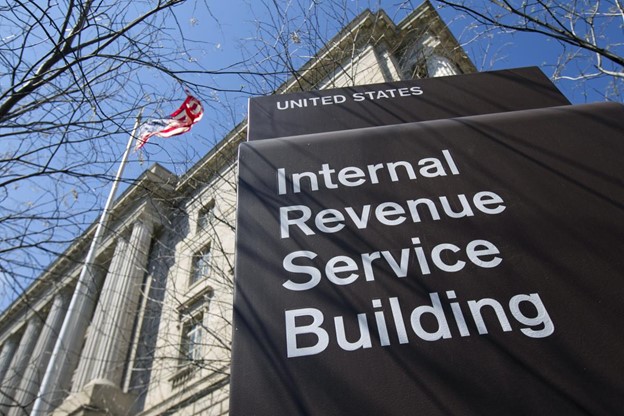
The Internal Revenue Service (IRS) released guidance last Friday addressing Section 603 of the SECURE 2.0 Act which deals with Roth catch-up contributions. Section 603 mandates that catch-up contributions must be Roth for those earning more than $145,000. The IRS’...
To most, the SECURE Act 2.0 appeared to predominantly outline optional changes that go into effect over the span of 10 years. However, there are a few mandatory changes taking effect in 2024 that plan sponsors will need to comply with. These provisions require...
According to the Employee Benefit Research Institute’s 2023 Retirement Confidence Survey of 2,357 Americans, workers’ and retirees’ confidence that they’ll have enough savings to comfortably support themselves through retirement has dropped to levels not seen...
Public Response to Economic Threat Fuels SEC Proposal The outbreak of COVID-19 in 2020 instilled a sense of financial fear in market participants. How are humans inherently hardwired to respond to threat? Panic. The threat of economic crisis in 2020 fueled the act of...
When conducting three- to five-year live-bids, it can be tempting to hyper-focus on fees. After all, benchmarking is often a primary reason for performing an RFP — and maintaining reasonable fees is a core fiduciary duty of plan sponsors. But a thorough review of...